Government
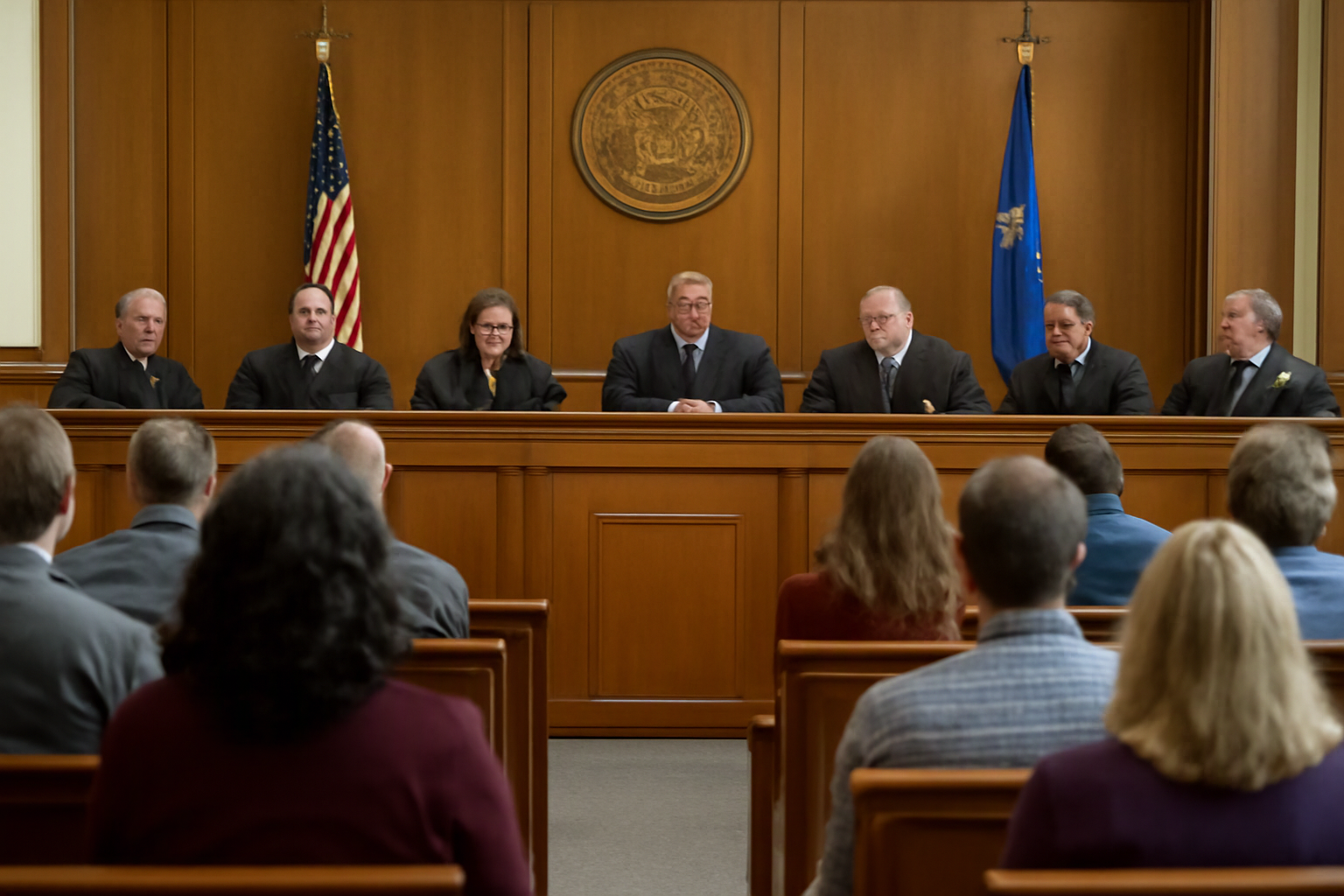
Wisconsin Supreme Court: State v. Desmond J. Wilhite
By Katherine Langford
Advertisement · Why this ad?
Katherine oversees editorial operations across all six brands. Before joining The Meridan Group, she spent 14 years at the Minneapolis Star Tribune, where she led the metro desk through its digital transformation. She holds a Master's in Journalism from Northwestern's Medill School.
More from Katherine →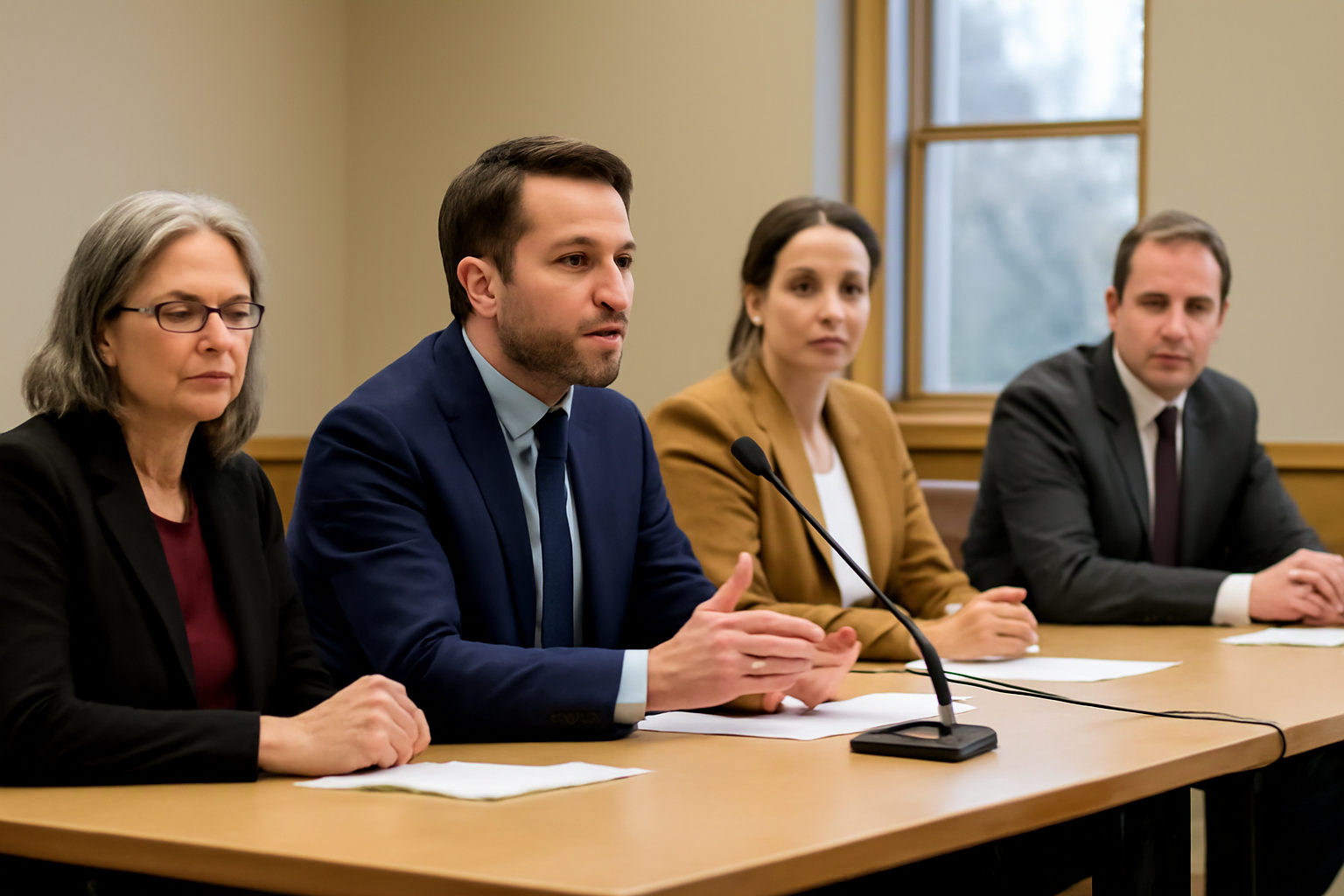
In a quiet conference room in Madison, a group of state legislators prepares to tackle a pressing issue that affects communities across Wisconsin: the funding formula for district attorneys. On November 11, 2026, the Legislative Council Study Committee on District Attorney Funding Formula will convene to discuss critical aspects of this funding mechanism, which directly impacts how local prosecutors operate and serve their communities.
The meeting, led by Adam Plotkin, Policy Initiatives Advisor and Legislative Liaison at the Director of State Courts Office, aims to address the financial challenges faced by district attorneys across the state. The committee will review a memo dated November 4, 2026, which details the statutory duties of data analyst positions as they relate to the workload of prosecutors. This discussion is particularly timely, as many district attorneys have expressed concerns over their ability to manage increasing caseloads with limited resources.
At the heart of this discussion is LRB-0707/P1, a proposed legislative bill that seeks to establish a data analyst position dedicated to studying prosecutor workloads. This initiative is designed to provide lawmakers with the necessary data to reassess and potentially reform the current funding formula that dictates how financial resources are allocated to district attorneys. The outcome of this meeting could have significant implications for local law enforcement and public safety in communities such as Brookfield.
The funding formula for district attorneys in Wisconsin has long been a topic of debate among legislators and local government officials. The current structure often leaves many district attorneys struggling to keep up with the demands of their jobs, particularly in light of rising crime rates and the complexities of modern legal cases. As communities grow and evolve, so too must the resources allocated to those who uphold the law.
In recent years, several counties have reported that their district attorneys are overwhelmed by the volume of cases, leading to delays in prosecution and a potential backlog in the justice system. The need for a comprehensive review of the funding formula has never been more urgent. With the establishment of the Study Committee, state legislators are taking a proactive step towards addressing these concerns and ensuring that district attorneys have the tools they need to serve their communities effectively.
Among those deeply invested in the outcomes of this committee are district attorneys themselves. For instance, District Attorney John Smith from Waukesha County has been vocal about the challenges his office faces. In a recent interview, he emphasized, "Without adequate funding, we cannot efficiently manage our caseloads, which ultimately affects the justice we can deliver to victims and our community." Smith's sentiments resonate with many in the field who feel the pressure of increasing responsibilities without corresponding resources.
Moreover, community organizations such as the Wisconsin Coalition Against Sexual Assault (WCASA) have also raised concerns regarding the impact of funding on victim services. Executive Director Jane Doe stated, "When district attorneys are stretched thin, it impacts their ability to provide the necessary support for victims of crime, especially in sensitive cases. We need to ensure that these offices are well-funded to serve the most vulnerable members of our society." These voices highlight the multifaceted implications of the funding formula and underscore the urgent need for reform.
The implications of this committee's work extend far beyond the walls of the state capitol. In Brookfield, residents rely on their district attorney's office not only for legal proceedings but also for community safety and justice. A well-funded district attorney's office can lead to more effective prosecution of crimes, better victim support services, and overall enhanced public safety.
For families in Brookfield, knowing that their district attorney has the necessary resources to tackle crime can foster a sense of security. As local leaders and citizens alike engage in discussions about public safety, the outcomes of the November meeting will be closely watched. The community is invested in ensuring that their voices are heard in the legislative process, as the decisions made by the committee will ultimately shape the landscape of justice in their hometown.
One of the key components of the upcoming meeting is the focus on data-driven decision-making. The proposed data analyst position aims to provide a clearer picture of the workload faced by district attorneys, allowing for more informed discussions about funding needs. This approach aligns with best practices in public policy, where evidence is paramount in shaping effective legislation.
By gathering and analyzing data on case volume, types of cases, and outcomes, the committee will be better equipped to advocate for the necessary resources to support district attorneys. For Brookfield residents, this means that their concerns about public safety and justice will be backed by concrete evidence, leading to more robust advocacy for funding reforms.
As the meeting date approaches, grassroots advocacy efforts are gaining momentum. Local organizations, including the Brookfield Community Coalition, are mobilizing residents to voice their support for increased funding for district attorneys. Community forums are being organized to educate citizens about the importance of this issue and how it directly impacts their lives.
Community member Sarah Johnson, a mother of three, expressed her concerns: "I want to know that when I call the police, they have the resources they need to respond effectively. Our district attorney's office needs to be strong to ensure justice is served in our neighborhoods." This sentiment is echoed by many residents who are beginning to understand the connection between funding and public safety.
As the November 11 meeting approaches, stakeholders from across the state are preparing to weigh in on this critical issue. Local government officials, law enforcement representatives, and community advocates are expected to attend, bringing their perspectives to the table. This collaborative effort underscores the importance of community involvement in shaping policies that affect public safety.
The outcomes of the committee's discussions will not only influence the immediate funding for district attorneys but may also set a precedent for future legislative initiatives. If the committee decides to move forward with LRB-0707/P1, it could pave the way for a more sustainable funding model that better reflects the needs of Wisconsin's district attorneys and the communities they serve.
The Legislative Council Study Committee on District Attorney Funding Formula represents a significant opportunity for change within Wisconsin's legal framework. As the committee convenes on November 11, the focus will be on addressing the challenges faced by district attorneys and ensuring that they have the necessary resources to fulfill their vital role in the justice system. For Brookfield and communities throughout the state, the outcomes of this meeting could mark a pivotal moment in the ongoing effort to enhance public safety and uphold the rule of law.
By Katherine Langford
By Katherine Langford

By Katherine Langford
By Katherine Langford